
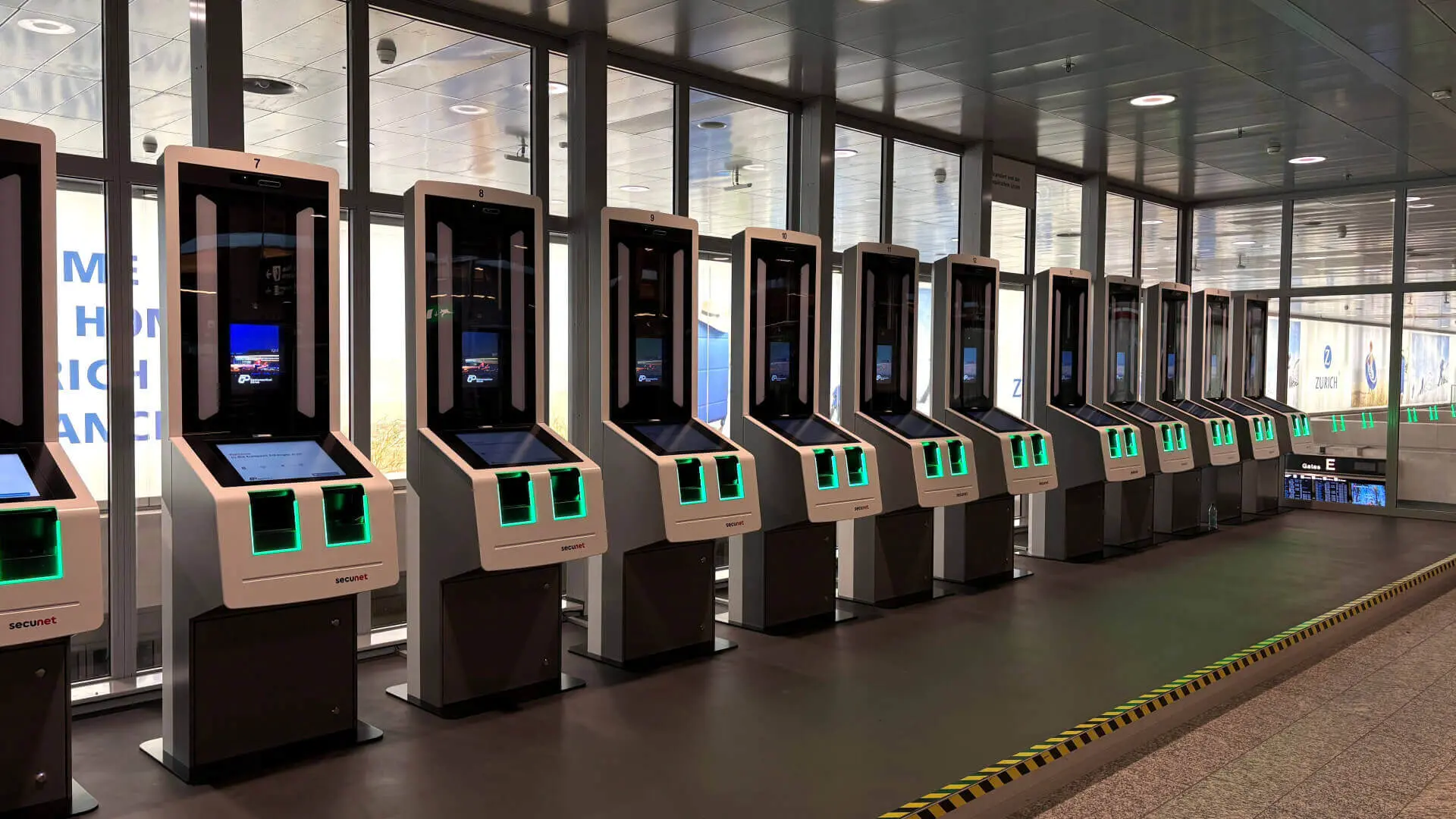
As of April 10 2026, Europe has implemented one of the most significant border control upgrades in decades: the Entry-Exit System (EES).
For travelers flying between the United States and Europe, this change is more than just a policy update – it will directly impact how you enter, how long you wait, and how your travel history is tracked.
At The Flight King, we’re already preparing clients for this transition, especially those flying business and first class into major European hubs.
What Is the Entry-Exit System (EES)?
The Entry-Exit System is a digital border management system introduced across the Schengen Area.
Instead of manually stamping passports, the system will now:
- Record entry and exit dates digitally
- Collect biometric data (fingerprints & facial scans)
- Track overstays automatically
- Replace traditional passport stamps entirely
This applies to non-EU travelers, including US citizens.
This system has been in the works for over 5 years now, with implementation originally scheduled for 2020 – but has experienced various delays. As of April 10, 2026 the EES system is fully operational.
What’s Changing for US Travelers?
If you regularly travel between the US and Europe, here’s what will feel different:
1. No More Passport Stamps
Your passport will no longer be stamped when entering or exiting most European countries. Everything is now digitally recorded.
2. Biometric Data Collection
On your first visit after rollout, you will need to:
- Scan fingerprints
- Take a facial image
This step is mandatory and tied to your travel record.
3. Increased Border Processing Time (Initially)
While the system is designed for efficiency long-term, early rollout phases may cause delays, especially at:
- Major hubs like Paris (CDG), London (for connecting travelers), Frankfurt (FRA), Amsterdam (AMS), and Rome (FCO)
- High-volume arrival times from the US
4. Automated Overstay Tracking
The system automatically calculates how long you’ve stayed in the Schengen Zone.
What’s Changing for European Travelers?
While much of the focus has been on US and other non-EU visitors, the rollout of the Entry-Exit System (EES) also introduces indirect but important changes for European travelers themselves.
1. Longer Queues at Border Control (Short-Term Impact)
Even though EU citizens are not required to enroll in the EES system, they will still feel the effects of:
- Slower processing times for non-EU travelers
- Increased congestion at international arrival halls
- Bottlenecks at major hub airports
This is especially noticeable at airports with heavy transatlantic traffic.
2. Airport Flow and Layout Changes
To accommodate biometric screening, many European airports are redesigning immigration areas with:
- New self-service kiosks
- Dedicated lanes for EES processing
- Updated signage and passenger flow systems
This can temporarily create confusion or delays, even for EU passport holders.
3. Increased Border Security Measures
European travelers may notice:
- More structured border procedures
- Increased monitoring of entry/exit activity overall
- Enhanced identity verification technologies being used across terminals
While they are not subject to biometric enrollment under EES, the overall environment becomes more controlled and data-driven.
4. Impact on Travel Companions
If European travelers are flying with non-EU friends, family, or colleagues:
- Groups may be separated at immigration
- Processing times will vary depending on nationality
- Coordination becomes more important, especially on tight schedules
5. Future Integration with ETIAS
European travelers should also be aware that EES is part of a broader transformation of EU border systems.
While ETIAS will apply only to visa-exempt non-EU travelers, its implementation alongside EES means:
- More structured entry rules for visitors entering Europe
- Increased consistency in how borders are managed across all countries
How This Impacts Luxury & Business Class Travelers
Even for premium travelers, this change matters.
While priority lanes and premium services still exist, biometric enrollment cannot be skipped.
However, The Flight King clients benefit from:
- Strategic routing through less congested airports
- Guidance on optimal arrival times
- Real-time monitoring of airport congestion and delays
- Concierge support if disruptions occur
For high-net-worth travelers or executives, this is where planning becomes critical.
Which Airports Will Be Most Affected?
Expect the biggest impact at:
- Paris Charles de Gaulle (CDG)
- Frankfurt Airport (FRA)
- Amsterdam Schiphol (AMS)
- Madrid Barajas (MAD)
- Rome Fiumicino (FCO)
These airports are:
- Major transatlantic entry points
- Among the first to fully implement EES
- Already operating at high passenger volumes
It is also important to note that this will affect any future Europe layovers. If your first point of entry into Europe is a connection, tight layovers will be riskier than before.
Example:
New York → Frankfurt → Rome
You will go through EES processing in Frankfurt, not Rome.
How to Prepare for Travel Under EES
Here’s what we are advising all clients right now:
Before You Travel
- Allow extra time for arrival procedures
- Ensure passport validity meets Schengen requirements
- Be aware of your prior time spent in Europe
At the Airport
- Expect biometric kiosks or border agent processing
- Follow signage for non-EU travelers
- Be patient during early rollout phases
Booking Strategy
- Avoid tight layovers on arrival into Europe
- Consider secondary airports when possible
- Use concierge support to navigate disruptions
Europe’s Entry-Exit System is a major shift toward digital border control.
While it will eventually improve efficiency and security, the short-term reality includes longer processing times and stricter enforcement.
For travelers flying between the US and Europe – especially in premium cabins – preparation and smart routing will make all the difference.
Planning a trip to Europe?
Let The Flight King handle every detail: from securing the best business and first class fares to navigating new border requirements seamlessly.
Submit a flight request today and travel with confidence.